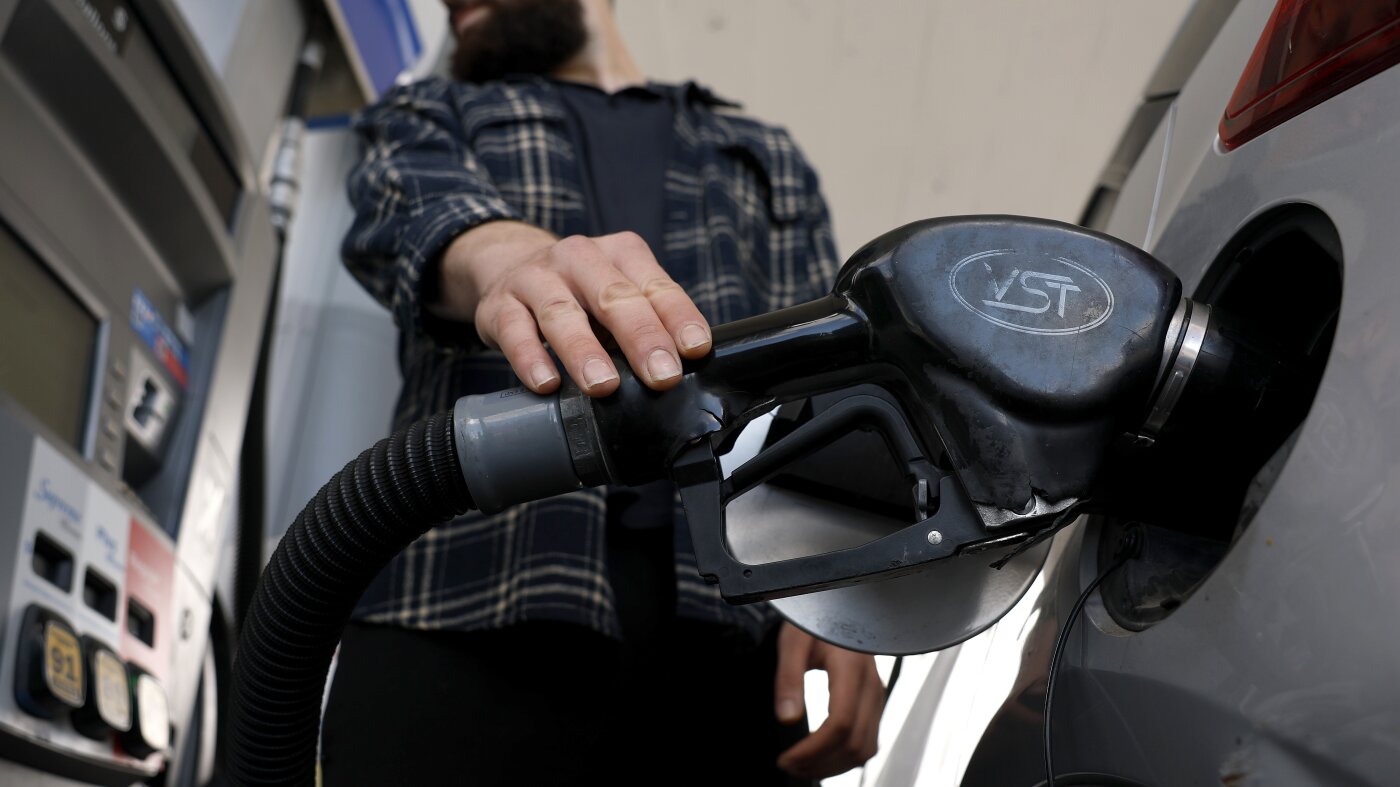
Gas Saving Strategies 2026 - is framed by economic indicators, GDP growth, and employment data in global financial conditions. With the national average for a gallon of gasoline reaching $4.55, American consumers face rising fuel costs just ahead of one of the busiest travel weekends. Options to cut expenses include reducing speed, shifting to electric vehicles, or avoiding driving altogether, as households look to manage transportation budgets.
Live News
Gas Saving Strategies 2026 - is framed by economic indicators, GDP growth, and employment data in global financial conditions. Monitoring multiple indices simultaneously helps traders understand relative strength and weakness across markets. This comparative view aids in asset allocation decisions. According to the latest market data, the national average for a gallon of gasoline now stands at $4.55, marking a significant increase as the United States enters one of the most travel-intensive periods of the year. This price level pressures consumer budgets and forces households to evaluate driving habits and vehicle choices. The primary strategies being discussed to reduce fuel expenses include moderating driving speed, which could improve fuel efficiency by reducing aerodynamic drag. Another option involves transitioning to electric vehicles (EVs), which may offer lower per-mile energy costs compared to gasoline-powered alternatives. A third approach is to reduce or eliminate driving altogether, such as by consolidating trips, using public transportation, or staying home for the holiday weekend. These options collectively aim to help consumers offset the impact of elevated gas prices on their monthly spending.
Gas Prices Hit $4.55: Consumers Weigh Driving Slower, Going Electric, and Staying Home The interpretation of data often depends on experience. New investors may focus on different signals compared to seasoned traders.Trading strategies should be dynamic, adapting to evolving market conditions. What works in one market environment may fail in another, so continuous monitoring and adjustment are necessary for sustained success.Gas Prices Hit $4.55: Consumers Weigh Driving Slower, Going Electric, and Staying Home Real-time monitoring of multiple asset classes can help traders manage risk more effectively. By understanding how commodities, currencies, and equities interact, investors can create hedging strategies or adjust their positions quickly.Technical analysis can be enhanced by layering multiple indicators together. For example, combining moving averages with momentum oscillators often provides clearer signals than relying on a single tool. This approach can help confirm trends and reduce false signals in volatile markets.
Key Highlights
Gas Saving Strategies 2026 - is framed by economic indicators, GDP growth, and employment data in global financial conditions. Evaluating volatility indices alongside price movements enhances risk awareness. Spikes in implied volatility often precede market corrections, while declining volatility may indicate stabilization, guiding allocation and hedging decisions. The $4.55 national average carries broader implications for consumer behavior and the wider economy. Higher gasoline prices typically lead to reduced discretionary spending in other areas, as households allocate a larger share of income to transportation. This shift could weigh on retail sales, travel-related industries, and overall economic growth in the near term. Additionally, the focus on fuel efficiency may accelerate interest in electric vehicles, potentially influencing automakers' production strategies and charging infrastructure investments. However, the high upfront cost of EVs and limited charging availability in some regions could temper adoption rates. Consumers may also turn to fuel-savvy driving techniques, such as gradual acceleration and reduced idling, as immediate cost-cutting measures.
Gas Prices Hit $4.55: Consumers Weigh Driving Slower, Going Electric, and Staying Home Some investors focus on macroeconomic indicators alongside market data. Factors such as interest rates, inflation, and commodity prices often play a role in shaping broader trends.Some traders combine trend-following strategies with real-time alerts. This hybrid approach allows them to respond quickly while maintaining a disciplined strategy.Gas Prices Hit $4.55: Consumers Weigh Driving Slower, Going Electric, and Staying Home Cross-asset correlation analysis often reveals hidden dependencies between markets. For example, fluctuations in oil prices can have a direct impact on energy equities, while currency shifts influence multinational corporate earnings. Professionals leverage these relationships to enhance portfolio resilience and exploit arbitrage opportunities.Some traders find that integrating multiple markets improves decision-making. Observing correlations provides early warnings of potential shifts.
Expert Insights
Gas Saving Strategies 2026 - is framed by economic indicators, GDP growth, and employment data in global financial conditions. Predictive analytics are increasingly used to estimate potential returns and risks. Investors use these forecasts to inform entry and exit strategies. From an investment perspective, sustained high gasoline prices could create tailwinds for sectors tied to energy efficiency and alternative transportation. Companies specializing in EV manufacturing, battery technology, and public transit solutions might see increased demand if consumer habits shift permanently. Conversely, industries dependent on high travel volumes—such as airlines, hotels, and entertainment venues—could face headwinds if consumers reduce road trips. It remains uncertain whether the $4.55 level will persist or moderate after the holiday period. Market expectations for oil supply and demand, geopolitical factors, and potential government policy responses may all influence future price trends. Investors should consider these variables cautiously, as fuel costs affect a broad range of sectors without guaranteeing specific outcomes. Disclaimer: This analysis is for informational purposes only and does not constitute investment advice.
Gas Prices Hit $4.55: Consumers Weigh Driving Slower, Going Electric, and Staying Home While algorithms and AI tools are increasingly prevalent, human oversight remains essential. Automated models may fail to capture subtle nuances in sentiment, policy shifts, or unexpected events. Integrating data-driven insights with experienced judgment produces more reliable outcomes.Real-time updates are particularly valuable during periods of high volatility. They allow traders to adjust strategies quickly as new information becomes available.Gas Prices Hit $4.55: Consumers Weigh Driving Slower, Going Electric, and Staying Home Monitoring global indices can help identify shifts in overall sentiment. These changes often influence individual stocks.Diversifying information sources enhances decision-making accuracy. Professional investors integrate quantitative metrics, macroeconomic reports, sector analyses, and sentiment indicators to develop a comprehensive understanding of market conditions. This multi-source approach reduces reliance on a single perspective.