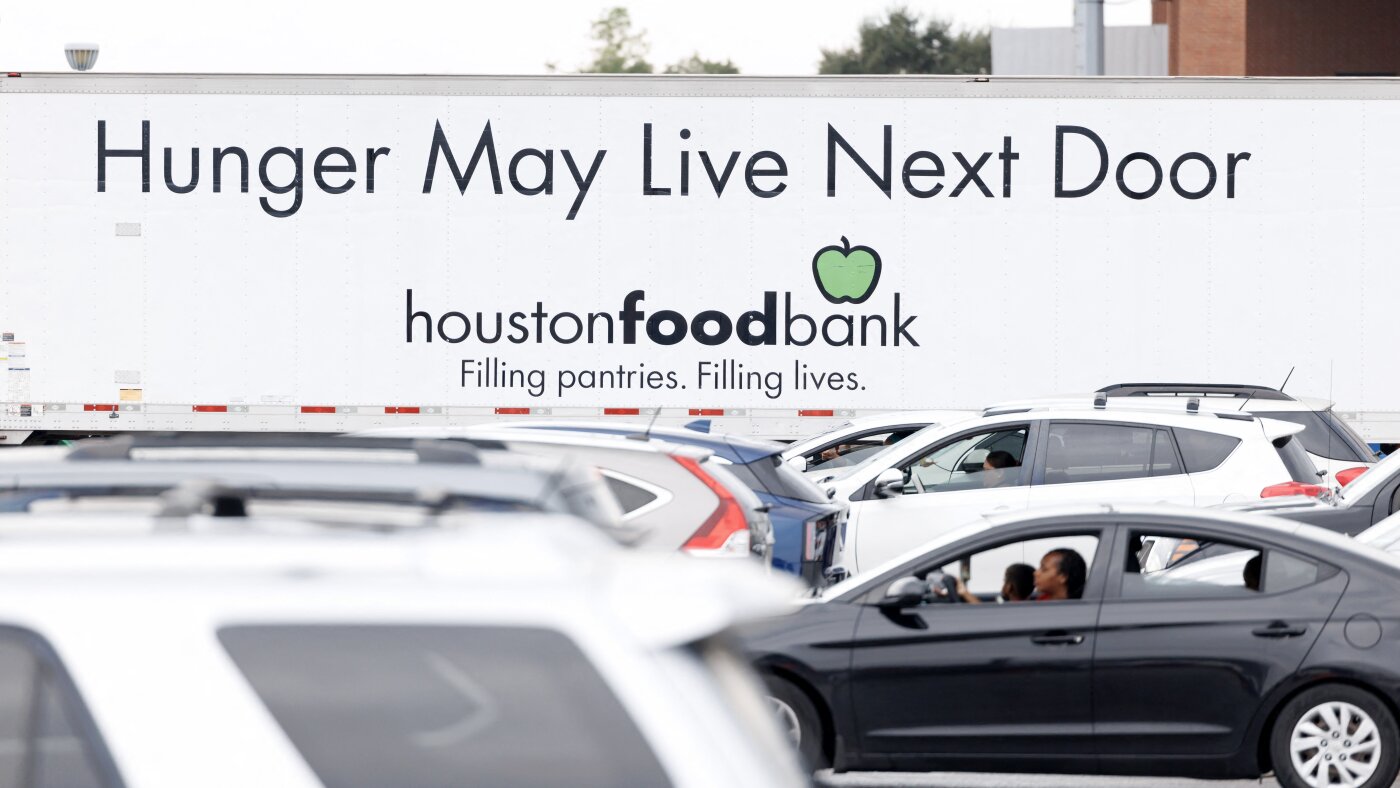
Food Insecurity Surge - earnings forecasts, analyst expectations, and price targets tracking. A recent survey from the Federal Reserve Bank of New York indicates that food insecurity currently affects more U.S. families than at the height of the COVID-19 pandemic. The findings suggest that persistent cost-of-living pressures continue to strain household budgets despite a historically strong labor market.
Live News
Food Insecurity Surge - earnings forecasts, analyst expectations, and price targets tracking. Real-time updates allow for rapid adjustments in trading strategies. Investors can reallocate capital, hedge positions, or take profits quickly when unexpected market movements occur. The Federal Reserve Bank of New York’s latest Survey of Consumer Expectations reveals that the share of households reporting an inability to afford sufficient food has risen above the levels observed during the worst months of the coronavirus pandemic. The survey measures self-reported food insecurity, capturing the percentage of respondents who stated they sometimes or often did not have enough to eat over the prior 12 months. This increase comes at a time when headline inflation has moderated from its 2022 peaks and the unemployment rate remains near historic lows. However, the data suggests that cumulative price increases in essential categories such as groceries, rent, and utilities continue to erode purchasing power for many households. The New York Fed survey is closely watched as a real-time indicator of consumer financial health, and its latest reading points to a widening gap between aggregate economic growth and the lived experience of lower- and middle-income families. The survey’s methodology captures a broad cross-section of U.S. households, and the rise in food insecurity is consistent with other recent data, including the U.S. Department of Agriculture’s annual food security reports and polling from organizations such as the U.S. Census Bureau’s Household Pulse Survey. Together, these sources indicate that the financial scars of the pandemic-era inflation cycle have not fully healed.
Food Insecurity Rising: More Families Face Hunger Than During Pandemic Peak Data-driven decision-making does not replace judgment. Experienced traders interpret numbers in context to reduce errors.Some traders rely on historical volatility to estimate potential price ranges. This helps them plan entry and exit points more effectively.Food Insecurity Rising: More Families Face Hunger Than During Pandemic Peak The integration of multiple datasets enables investors to see patterns that might not be visible in isolation. Cross-referencing information improves analytical depth.Historical patterns still play a role even in a real-time world. Some investors use past price movements to inform current decisions, combining them with real-time feeds to anticipate volatility spikes or trend reversals.
Key Highlights
Food Insecurity Surge - earnings forecasts, analyst expectations, and price targets tracking. The use of multiple reference points can enhance market predictions. Investors often track futures, indices, and correlated commodities to gain a more holistic perspective. This multi-layered approach provides early indications of potential price movements and improves confidence in decision-making. The key takeaway from the New York Fed survey is that macroeconomic strength—low unemployment, rising wages—may not be evenly distributed. While overall consumer spending has remained resilient, a growing segment of the population appears to be struggling with basic needs. This could signal a shift in consumer behavior: households facing food insecurity may prioritize essentials and cut back on discretionary purchases, potentially affecting sectors such as travel, dining, and entertainment. The data also carries implications for public policy. Expanded nutrition assistance programs enacted during the pandemic have largely expired, and the survey results could reignite debate over the need for increased food aid or adjustments to safety-net eligibility. Policymakers at both the federal and state levels may face pressure to address the gap, particularly as the 2026 midterm elections approach. From a market perspective, the divergence between strong headline employment figures and rising food insecurity suggests that traditional economic indicators may not fully capture consumer fragility. Analysts and economists will likely watch upcoming retail sales reports and corporate earnings calls for signs of a pullback in spending by lower-income households, which could influence guidance for companies across the consumer sector.
Food Insecurity Rising: More Families Face Hunger Than During Pandemic Peak Predicting market reversals requires a combination of technical insight and economic awareness. Experts often look for confluence between overextended technical indicators, volume spikes, and macroeconomic triggers to anticipate potential trend changes.Investors often rely on both quantitative and qualitative inputs. Combining data with news and sentiment provides a fuller picture.Food Insecurity Rising: More Families Face Hunger Than During Pandemic Peak Diversifying the type of data analyzed can reduce exposure to blind spots. For instance, tracking both futures and energy markets alongside equities can provide a more complete picture of potential market catalysts.Data visualization improves comprehension of complex relationships. Heatmaps, graphs, and charts help identify trends that might be hidden in raw numbers.
Expert Insights
Food Insecurity Surge - earnings forecasts, analyst expectations, and price targets tracking. Scenario planning is a key component of professional investment strategies. By modeling potential market outcomes under varying economic conditions, investors can prepare contingency plans that safeguard capital and optimize risk-adjusted returns. This approach reduces exposure to unforeseen market shocks. For investors, the rising trend in food insecurity may inform sectoral outlooks. Companies that serve budget-conscious consumers—such as discount grocery chains, dollar stores, and value-oriented food brands—could see sustained or increased demand as households trade down. Conversely, premium food producers, full-service restaurants, and hospitality firms might face headwinds if the trend broadens. The survey also raises potential regulatory considerations. If food insecurity continues to climb, policymakers could implement tighter oversight of food pricing or expand subsidy programs, which might alter cost structures for retailers and food manufacturers. Additionally, higher food insecurity could indirectly affect labor markets if workers’ health and productivity are compromised. Broader economic implications remain uncertain. The Federal Reserve has signaled a cautious approach to interest rate adjustments, and persistent consumer strain might reinforce expectations for rate cuts later in 2026. However, the relationship between food insecurity and monetary policy is indirect, and the central bank is more likely to focus on core inflation and employment data. The survey serves as a reminder that even in a generally favorable economic environment, pockets of significant distress can persist, and these pockets may ultimately influence both consumer spending trends and political outcomes. Disclaimer: This analysis is for informational purposes only and does not constitute investment advice.
Food Insecurity Rising: More Families Face Hunger Than During Pandemic Peak Monitoring investor behavior, sentiment indicators, and institutional positioning provides a more comprehensive understanding of market dynamics. Professionals use these insights to anticipate moves, adjust strategies, and optimize risk-adjusted returns effectively.Market participants often combine qualitative and quantitative inputs. This hybrid approach enhances decision confidence.Food Insecurity Rising: More Families Face Hunger Than During Pandemic Peak Data-driven decision-making does not replace judgment. Experienced traders interpret numbers in context to reduce errors.Maintaining detailed trade records is a hallmark of disciplined investing. Reviewing historical performance enables professionals to identify successful strategies, understand market responses, and refine models for future trades. Continuous learning ensures adaptive and informed decision-making.