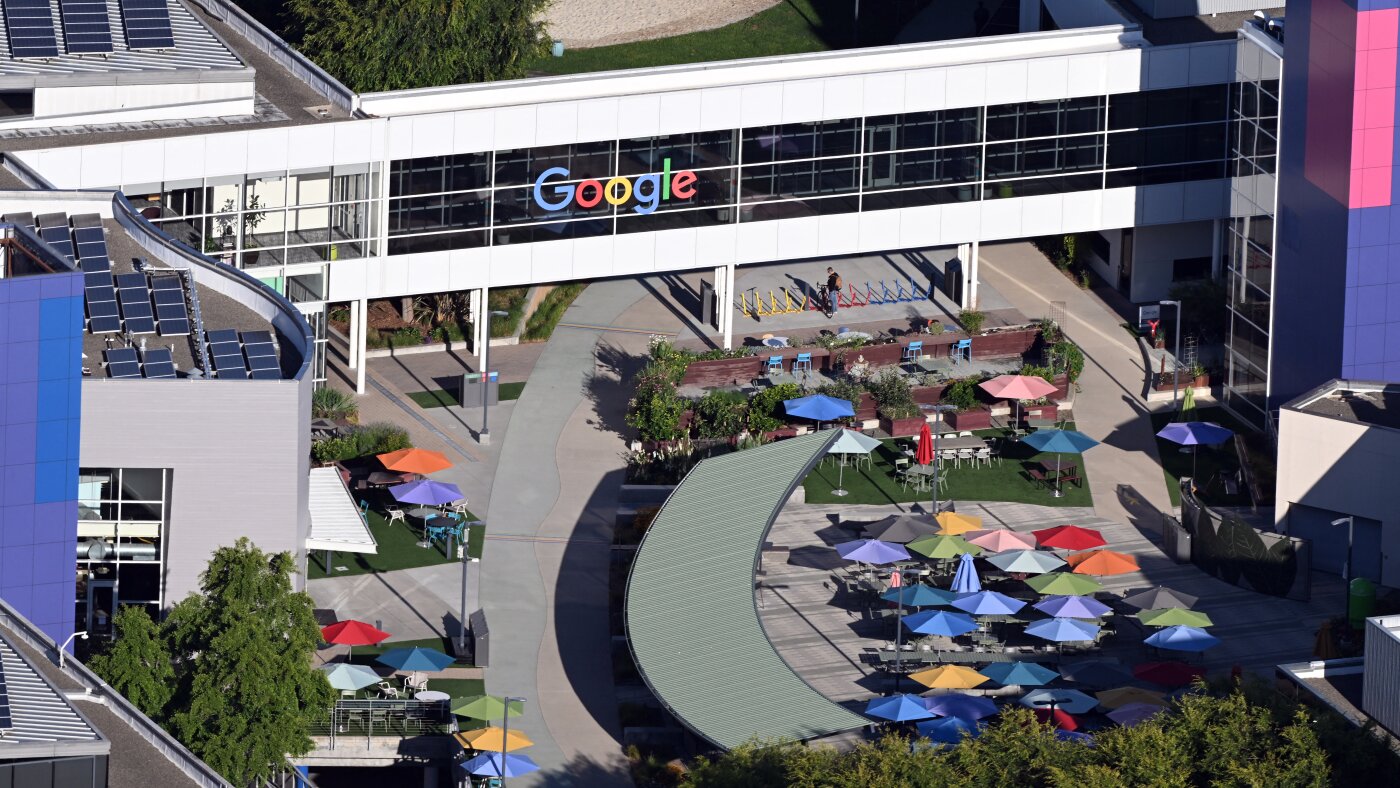
Google Polymarket Insider Trading - part of daily Wall Street coverage tracking market trends and investor reaction. The U.S. Department of Justice has charged a Google employee for allegedly using insider information to profit $1.2 million on the prediction market platform Polymarket. This marks the second known federal criminal case involving insider trading on a prediction market, signaling increased regulatory scrutiny of these emerging betting platforms.
Live News
Google Polymarket Insider Trading - part of daily Wall Street coverage tracking market trends and investor reaction. Combining qualitative news with quantitative metrics often improves overall decision quality. Market sentiment, regulatory changes, and global events all influence outcomes. According to a report from NPR, federal prosecutors have filed criminal charges against a Google staff member accused of exploiting material, non-public information to execute trades on Polymarket. The trades allegedly generated approximately $1.2 million in profit. The case represents only the second instance in which the U.S. government has brought criminal charges for insider trading specifically on a prediction market site. The Department of Justice (DOJ) has not publicly identified the employee by name, but the charges underscore a growing legal focus on prediction markets, which allow users to place bets on the outcome of future events such as elections, economic indicators, or corporate announcements. Unlike traditional securities markets, these platforms have operated in a regulatory gray area, but recent actions suggest authorities are applying existing insider trading laws to digital prediction platforms. Polymarket, a decentralized prediction market built on blockchain technology, has faced increased attention from regulators in recent years. The DOJ’s move indicates that trading on such platforms is not immune from legal consequences when traders possess confidential information.
DOJ Charges Google Employee with Insider Trading on Polymarket, Allegedly Profiting $1.2 Million Predicting market reversals requires a combination of technical insight and economic awareness. Experts often look for confluence between overextended technical indicators, volume spikes, and macroeconomic triggers to anticipate potential trend changes.Market participants increasingly appreciate the value of structured visualization. Graphs, heatmaps, and dashboards make it easier to identify trends, correlations, and anomalies in complex datasets.DOJ Charges Google Employee with Insider Trading on Polymarket, Allegedly Profiting $1.2 Million Real-time data can highlight sudden shifts in market sentiment. Identifying these changes early can be beneficial for short-term strategies.Investors often monitor sector rotations to inform allocation decisions. Understanding which sectors are gaining or losing momentum helps optimize portfolios.
Key Highlights
Google Polymarket Insider Trading - part of daily Wall Street coverage tracking market trends and investor reaction. Real-time monitoring allows investors to identify anomalies quickly. Unusual price movements or volumes can indicate opportunities or risks before they become apparent. This case could have significant implications for both prediction market operators and participants. Key takeaways include: - Precedent setting: With only two known federal cases, the charges may establish a legal precedent for how insider trading laws apply to non-securities assets, such as event contracts traded on platforms like Polymarket. The first case remains under seal or already resolved, but the repeat occurrence suggests the DOJ is actively monitoring these venues. - Corporate liability exposure: Employers may face heightened compliance risks if employees use workplace knowledge to trade on prediction markets. The involvement of a Google employee—a company with a vast policy on confidentiality and trading—highlights the challenge of preventing misuse of information across decentralized platforms. - Regulatory momentum: The DOJ’s actions could accelerate calls for clearer rules from the Commodity Futures Trading Commission (CFTC), which has previously debated whether prediction market contracts fall under its jurisdiction. A series of enforcement actions might push Congress or regulators to define the legal status of such markets more explicitly.
DOJ Charges Google Employee with Insider Trading on Polymarket, Allegedly Profiting $1.2 Million Trading strategies should be dynamic, adapting to evolving market conditions. What works in one market environment may fail in another, so continuous monitoring and adjustment are necessary for sustained success.Some traders prefer automated insights, while others rely on manual analysis. Both approaches have their advantages.DOJ Charges Google Employee with Insider Trading on Polymarket, Allegedly Profiting $1.2 Million Real-time data can highlight momentum shifts early. Investors who detect these changes quickly can capitalize on short-term opportunities.Correlating global indices helps investors anticipate contagion effects. Movements in major markets, such as US equities or Asian indices, can have a domino effect, influencing local markets and creating early signals for international investment strategies.
Expert Insights
Google Polymarket Insider Trading - part of daily Wall Street coverage tracking market trends and investor reaction. Tracking related asset classes can reveal hidden relationships that impact overall performance. For example, movements in commodity prices may signal upcoming shifts in energy or industrial stocks. Monitoring these interdependencies can improve the accuracy of forecasts and support more informed decision-making. For investors and market observers, the charges may signal a broader shift in how federal law is applied to novel financial technologies. While prediction markets have been praised for aggregating diverse opinions and providing real-time signals, they also create opportunities for information asymmetry when participants have access to non-public data. From an investment perspective, the case suggests that regulatory risk for prediction market platforms could increase. Companies operating in this space might face higher legal costs or operational restrictions. Conversely, platforms that implement robust surveillance and reporting mechanisms may become more attractive to users seeking compliant environments. It remains unclear whether the DOJ will pursue additional cases or if this represents a targeted enforcement action. However, the trend could indicate that regulators view prediction markets as a new frontier for insider trading, potentially altering their growth trajectory. As always, traders and firms involved in these markets should be aware that existing securities laws may extend to digital prediction contracts, despite their unconventional structure. Disclaimer: This analysis is for informational purposes only and does not constitute investment advice.
DOJ Charges Google Employee with Insider Trading on Polymarket, Allegedly Profiting $1.2 Million Investors may use data visualization tools to better understand complex relationships. Charts and graphs often make trends easier to identify.Analytical tools can help structure decision-making processes. However, they are most effective when used consistently.DOJ Charges Google Employee with Insider Trading on Polymarket, Allegedly Profiting $1.2 Million Analytical platforms increasingly offer customization options. Investors can filter data, set alerts, and create dashboards that align with their strategy and risk appetite.Real-time data can highlight sudden shifts in market sentiment. Identifying these changes early can be beneficial for short-term strategies.