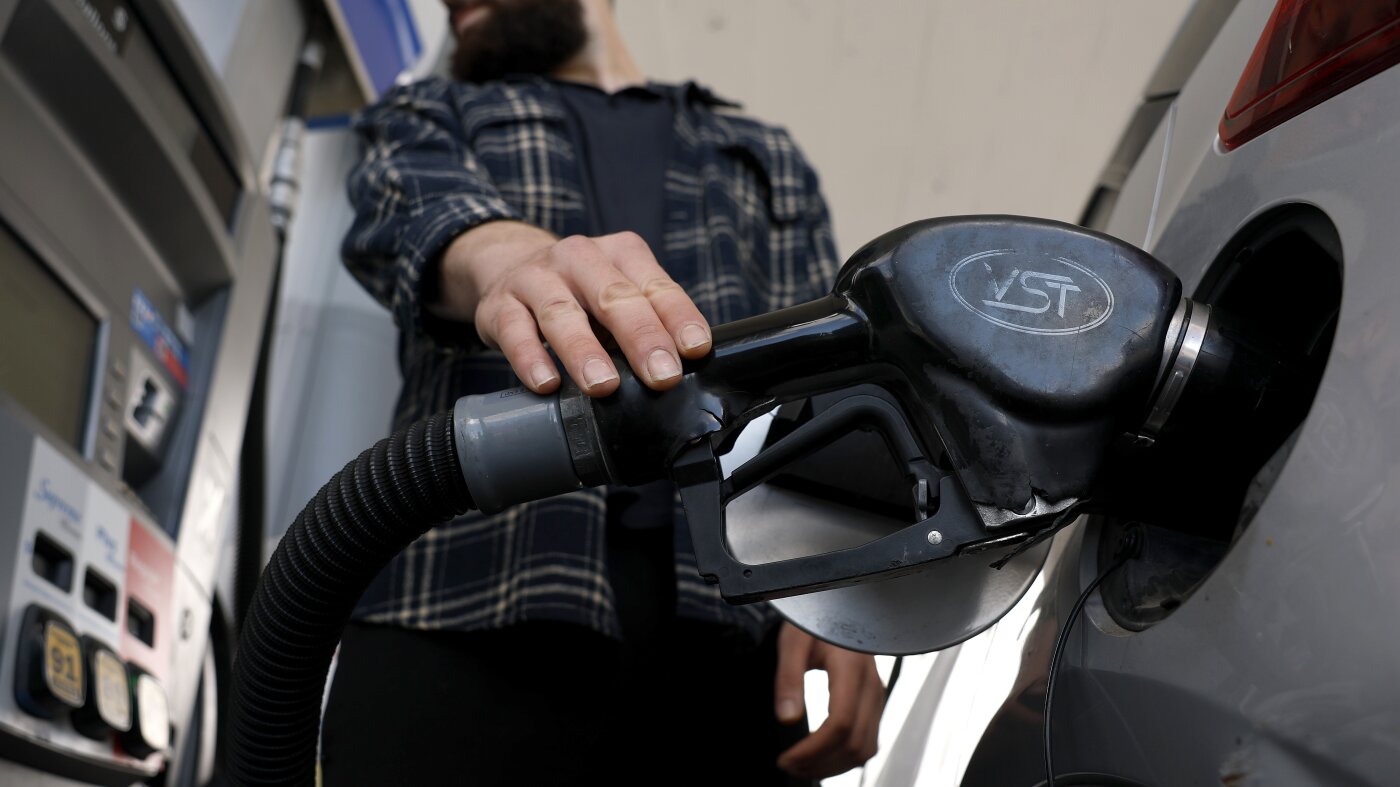
Gas Saving Options 2025 - growth catalysts, expectations, and future outlook. With the national average for a gallon of gasoline reaching $4.55 just ahead of one of the busiest travel weekends of the year, consumers are seeking effective ways to cut fuel costs. Options such as driving slower, switching to electric vehicles, or simply avoiding driving altogether are being considered as potential strategies.
Live News
Gas Saving Options 2025 - growth catalysts, expectations, and future outlook. The role of analytics has grown alongside technological advancements in trading platforms. Many traders now rely on a mix of quantitative models and real-time indicators to make informed decisions. This hybrid approach balances numerical rigor with practical market intuition. According to a report by NPR, the U.S. national average gasoline price stands at $4.55 per gallon as the country enters a peak travel period. The report highlights several approaches drivers might consider to reduce their fuel expenses. Slowing down on highways could improve fuel efficiency, as aerodynamic drag increases at higher speeds. Additionally, the option of transitioning to electric vehicles (EVs) is presented as a long-term solution to reduce dependence on gasoline. For immediate savings, the suggestion to avoid driving altogether—by using alternative transportation, carpooling, or combining errands—is also offered. The report does not prescribe a single best method but rather presents a range of possibilities for consumers to evaluate based on their circumstances.
Gas Prices Hit $4.55: Strategies for Fuel Savings This Travel Weekend Investors often rely on a combination of real-time data and historical context to form a balanced view of the market. By comparing current movements with past behavior, they can better understand whether a trend is sustainable or temporary.Combining technical and fundamental analysis allows for a more holistic view. Market patterns and underlying financials both contribute to informed decisions.Gas Prices Hit $4.55: Strategies for Fuel Savings This Travel Weekend Access to real-time data enables quicker decision-making. Traders can adapt strategies dynamically as market conditions evolve.Some traders combine sentiment analysis with quantitative models. While unconventional, this approach can uncover market nuances that raw data misses.
Key Highlights
Gas Saving Options 2025 - growth catalysts, expectations, and future outlook. Investors often experiment with different analytical methods before finding the approach that suits them best. What works for one trader may not work for another, highlighting the importance of personalization in strategy design. Key takeaways from the report center on the trade-offs between immediate behavioral changes and longer-term vehicle choices. Driving at lower speeds, such as reducing highway speed from 70 mph to 60 mph, could potentially improve fuel economy by several miles per gallon, based on common driving efficiency principles. For those considering an EV, the upfront cost remains a barrier, but lower fueling and maintenance costs may offset it over time. The decision to not drive, through ride-sharing or public transit, offers the most immediate fuel cost savings but may not be practical for all travelers. These options reflect broader consumer responses to elevated gasoline prices, which could influence spending patterns during the holiday travel period.
Gas Prices Hit $4.55: Strategies for Fuel Savings This Travel Weekend Combining different types of data reduces blind spots. Observing multiple indicators improves confidence in market assessments.Risk management is often overlooked by beginner investors who focus solely on potential gains. Understanding how much capital to allocate, setting stop-loss levels, and preparing for adverse scenarios are all essential practices that protect portfolios and allow for sustainable growth even in volatile conditions.Gas Prices Hit $4.55: Strategies for Fuel Savings This Travel Weekend Some investors focus on macroeconomic indicators alongside market data. Factors such as interest rates, inflation, and commodity prices often play a role in shaping broader trends.Combining technical indicators with broader market data can enhance decision-making. Each method provides a different perspective on price behavior.
Expert Insights
Gas Saving Options 2025 - growth catalysts, expectations, and future outlook. Predictive analytics are increasingly part of traders’ toolkits. By forecasting potential movements, investors can plan entry and exit strategies more systematically. From an investment perspective, sustained high gasoline prices may affect multiple sectors, though no specific outcomes are guaranteed. Consumer behavior shifts toward fuel efficiency could influence demand in the automotive industry, particularly for EV makers and companies providing energy-saving technologies. Conversely, sectors tied to fossil fuel consumption, such as airlines and traditional automakers, might face margin pressure if travel demand adjusts. Investors may watch for signs of increased electric vehicle adoption or changes in driving habits as gasoline prices remain elevated. However, market reactions would depend on broader economic conditions, including inflation and employment trends. This analysis is for informational purposes only and does not constitute investment advice. Disclaimer: This analysis is for informational purposes only and does not constitute investment advice.
Gas Prices Hit $4.55: Strategies for Fuel Savings This Travel Weekend Real-time alerts can help traders respond quickly to market events. This reduces the need for constant manual monitoring.Real-time data enables better timing for trades. Whether entering or exiting a position, having immediate information can reduce slippage and improve overall performance.Gas Prices Hit $4.55: Strategies for Fuel Savings This Travel Weekend Scenario analysis and stress testing are essential for long-term portfolio resilience. Modeling potential outcomes under extreme market conditions allows professionals to prepare strategies that protect capital while exploiting emerging opportunities.Some investors rely heavily on automated tools and alerts to capture market opportunities. While technology can help speed up responses, human judgment remains necessary. Reviewing signals critically and considering broader market conditions helps prevent overreactions to minor fluctuations.